Blood Vessels
Learn how arteries, capillaries, veins, and their smaller branches move blood through the body.
The body's transport network
Blood vessels form the pathways that carry blood between the heart, lungs, and tissues. Their structure changes depending on the pressure, distance, and type of exchange they support.
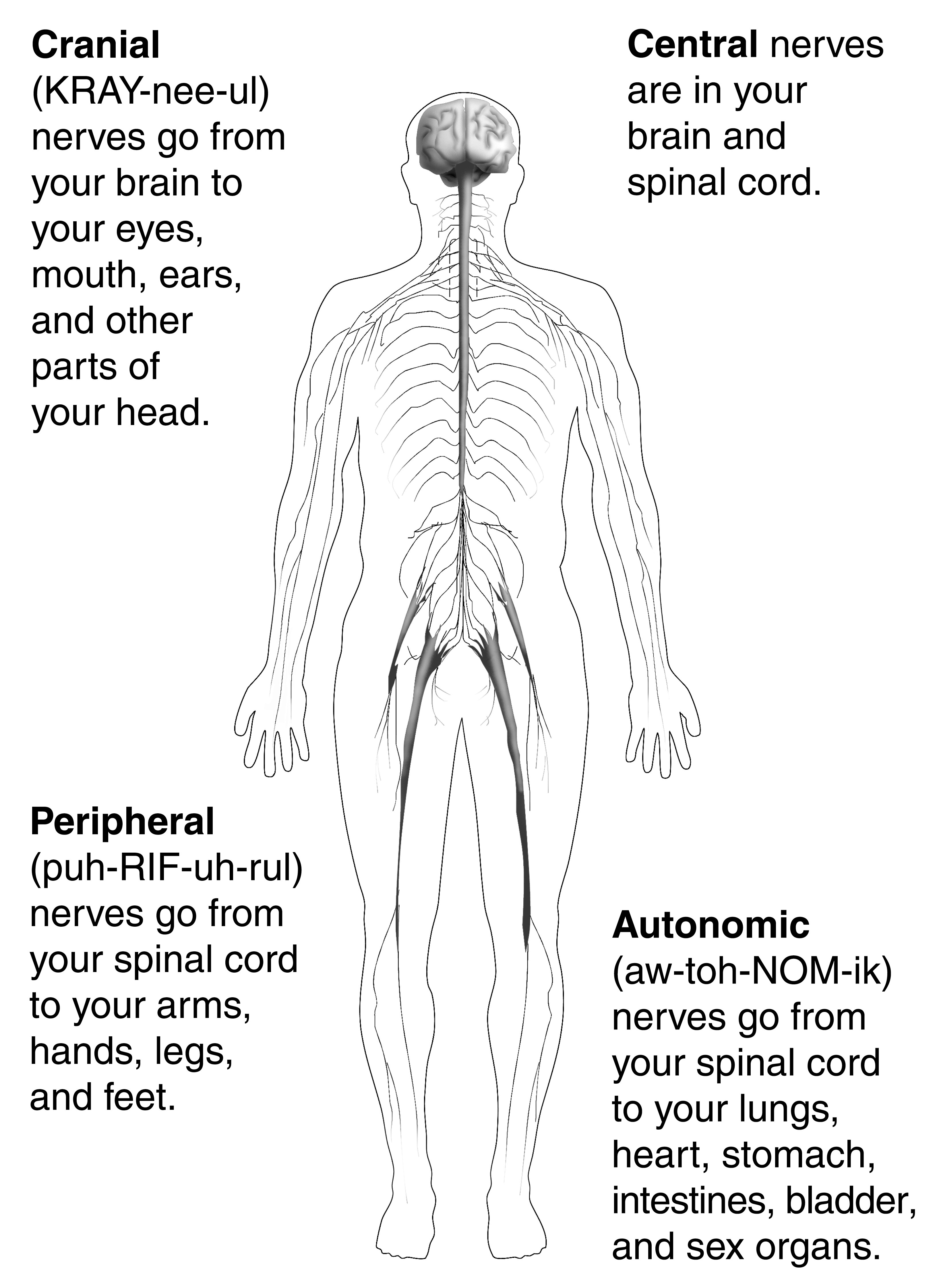
A network spread throughout the body
The cardiovascular system contains an enormous branching network of vessels that reaches tissues throughout the body.
Note: this visual is a general body-network reference; the detailed blood-vessel anatomy is covered in the interactive cardiovascular guide on the course home page.
Carry blood away
Arteries carry blood away from the heart and generally have thicker, more muscular and elastic walls than veins.
Smaller regulators
Arterioles are smaller branches that lead toward capillary networks and help regulate blood flow.
Exchange sites
Capillaries have extremely thin walls and provide close contact between blood and tissues for exchange.
Return blood
Veins return blood toward the heart and many contain valves that help prevent backward flow.
Arteries versus veins
Arteries and veins have different structures because they operate under different pressure conditions. Arteries experience stronger pressure from the heart, while veins operate at much lower pressure and rely partly on valves and skeletal-muscle movement to assist return flow.
Capillaries are where exchange happens.
Their thin walls bring blood close to tissues so gases, nutrients, wastes, and other dissolved substances can move between blood and surrounding tissue.
Not every artery carries oxygen-rich blood
A common shortcut is to memorize "arteries equal oxygenated" and "veins equal deoxygenated." The better rule is directional: arteries carry blood away from the heart, while veins carry blood toward it. The pulmonary circulation provides an important exception to the oxygenation shortcut.